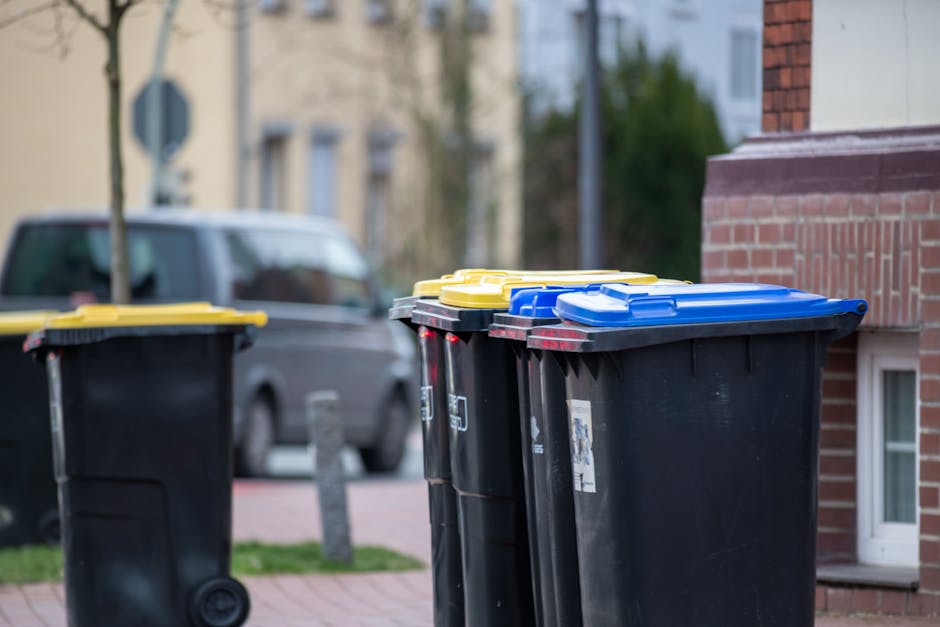
Waste disposal obligations after a move in Nags Head: what you need to do, what to avoid, and how to clear up properly
Moving house or relocating a business is tiring enough without discovering you've left behind a trail of broken furniture, cardboard, old paint tins, and black bags that nobody wants to claim. The phrase Waste disposal obligations after a move in Nags Head sounds a bit formal, but the reality is simple: once the van is loaded and the keys are handed over, you still need to deal with anything you've left behind in a sensible, lawful, and tidy way.
That matters whether you're a homeowner, tenant, landlord, or business owner. It affects the condition of the property, your deposit or handover, your reputation with the next occupier, and frankly your stress levels too. In this guide, we'll break down what those obligations usually involve, how to handle leftover waste without creating a problem, and the practical steps that make move-out day much smoother. A little preparation goes a long way here.
Why Waste disposal obligations after a move in Nags Head Matters
When people move, waste tends to gather in odd little piles. A wardrobe that didn't fit through the door. Packaging from new appliances. Bags of clutter that were "for sorting later." Then later arrives, usually on a wet afternoon with the kettle packed away, and the problem feels bigger than it looked at first.
Taking disposal seriously matters for a few reasons. First, it helps you leave the property in an acceptable condition. Second, it reduces the chance of disputes over cleaning or damage. Third, it prevents fly-tipping risks, which can become your headache if waste is left in the wrong place or handed to the wrong person. To be fair, no one wants to be the person remembered for leaving a sofa half on the pavement and half in the hedge.
For renters, the stakes can include deductions or extra charges if rubbish is left behind. For homeowners, the issue may be less formal but still matters to the sale or handover process. For businesses, unmanaged disposal can disrupt the new premises, create health and safety issues, and leave records or equipment exposed. So yes, it's a practical issue, but it is also a standards issue. And those are often the same thing.
If you're planning a larger move, it's worth thinking about disposal alongside the move itself. Services such as home moves and office removals can help you organise the physical relocation, but the leftover waste still needs a clear plan. That's where a bit of structure pays off.
How Waste disposal obligations after a move in Nags Head Works
At a basic level, the process is about separating what you're keeping, what you're taking with you, and what must be disposed of responsibly. That sounds obvious, but during a move it is surprisingly easy to blur those categories. A half-empty box looks useful until it isn't. A broken chair gets set aside "just for now." A bag of mixed junk is shoved into the cupboard and forgotten.
The best approach is to deal with waste in phases:
- Before packing: identify items that should not travel with you at all.
- During packing: separate reusable items, recyclable materials, and genuine rubbish.
- On moving day: keep a final sweep for hidden items, damaged goods, and packaging.
- After unloading: make sure any leftover waste is taken to an appropriate disposal route, not dumped beside the property.
In practice, the key question is: who is responsible for the waste at each stage? If it is yours, the responsibility generally stays with you until it is passed to the right disposal route. If you are using a removal team, it is worth checking in advance what they will and won't take. Some teams handle light waste, packaging, or furniture pick-up, while others focus strictly on transport and placement. Clear communication avoids awkward surprises at the kerbside.
For smaller loads, a man and van arrangement can be a practical fit, especially if you need help moving goods and removing a limited amount of waste at the same time. For heavier items or bigger clearances, a fuller service may make more sense. You do not want to discover on the day that the old freezer is staying behind because nobody planned for it. That happens more often than people think.
Key Benefits and Practical Advantages
Good waste planning after a move is not just about avoiding trouble. It also makes the whole relocation feel calmer. When the waste is handled properly, the move-out property looks cleaner, the destination is less cluttered, and the final tidy-up becomes a quick job rather than a weekend saga.
Here are the main advantages:
- Reduced stress: fewer last-minute decisions and less mess to sort through.
- Cleaner handover: easier inspection for landlords, buyers, or incoming tenants.
- Lower risk of complaints: fewer disputes about rubbish, damage, or abandoned items.
- Better recycling outcomes: materials can be separated instead of mixed together.
- Safer spaces: no trip hazards from boxes, sharp packaging, or stacked rubbish.
There is also a less obvious benefit: you tend to move more efficiently when you remove waste early. Packing around clutter slows everyone down. It creates extra lifting, extra sorting, and extra "where on earth did this come from?" moments. If you've ever tried to navigate a hallway full of flattened cardboard at 7:30 in the morning, you'll know exactly what I mean.
Where waste is bulky, damaged, or hard to move, it can be sensible to combine clearance with your moving plan. A properly arranged removal services booking can help coordinate the load so that waste and possessions are handled in a more organised way. That doesn't mean everything gets thrown together. It means the move runs like a move, not like a scramble.
Who This Is For and When It Makes Sense
This topic is relevant to more people than you might first think. Yes, it applies to tenants who need to leave a property clean and empty. But it also matters to homeowners, landlords, businesses, shop owners, and anyone clearing space after a move.
It makes sense if you are:
- moving out of a rented flat or house;
- selling a property and want a tidy completion day;
- dealing with old furniture, white goods, or broken household items;
- relocating an office and clearing redundant equipment;
- trying to recycle packaging without drowning in it;
- managing a probate clearance or inherited property move;
- simply trying to avoid a pile of "temporary" rubbish becoming permanent.
Some people only need a quick clear-out. Others need something closer to a full emptying service. If you're shifting business premises, the disposal side can be especially important because office waste often includes documents, shelving, monitors, or worn-out furniture that can't just be left behind. For that scenario, commercial moves and office relocation services are useful reference points when planning the move properly.
Put simply: if your move creates waste, this guidance is for you. And let's face it, almost every move does.
Step-by-Step Guidance
If you want to stay organised, follow a simple sequence. Not fancy. Just workable. The kind of sequence that keeps you from making three trips for the same battered chair.
- Walk the property room by room. Look in cupboards, lofts, under beds, behind doors, and inside appliances. People miss things in the oddest places.
- Separate items into clear groups. Keep, donate, recycle, dispose, and possibly repair. Do not mix them if you can help it.
- Identify bulky or awkward waste early. Mattresses, broken furniture, and old appliances need advance planning.
- Check what your mover can take. Some teams handle furniture and light waste, while others do not. Ask directly.
- Use proper disposal routes. Recycling, reuse, council collection options, or licensed waste handlers may all be relevant depending on the item.
- Do a final sweep before you hand over the keys. Open cupboards again. Check the shed. Check the garage. Then check once more.
A useful trick is to prepare a "last-load" area. Keep it separate from the main boxes and label it clearly. That area can contain final rubbish, cleaning materials, loose fixings, and small forgotten items. It saves time on moving day and stops waste drifting into the wrong pile.
If you are moving fragile household items and packing materials together, professional help can make a difference. The team behind packing and unpacking services can reduce the amount of sorting you need to do yourself. Even then, though, you should still make the disposal decision for anything that is broken, redundant, or contaminated. No guessing. That's how junk multiplies.
Expert Tips for Better Results
Here are the details that often separate a smooth move from a chaotic one.
- Start with the obvious waste first. Cardboard, broken storage, old hangers, and packaging are easiest to remove early.
- Keep recyclables clean and dry where possible. Wet cardboard and mixed rubbish are harder to sort later.
- Do not leave unknown items in the property. If you cannot remember what it is, it probably belongs in the disposal pile.
- Photograph the cleared rooms. This can be useful for your own records, especially at rental handover.
- Think about access. Tight stairwells, narrow hallways, and awkward parking can change how waste should be removed.
- Plan for one extra bag. There is almost always one more bit of rubbish than you expected. Always.
In our experience, the best moves are the ones where waste is treated as part of the project, not a side issue. That mindset helps you avoid a messy finish. It also helps if you're booking a vehicle like a man with van removal service, because the crew can work to a clearer brief and you are less likely to have a pile left over at the end.
A small, practical note: keep a roll of bags, marker pens, tape, and gloves close to hand on the day. Nothing glamorous. Very useful though.
Common Mistakes to Avoid
Most move-related waste problems are not dramatic. They are usually just small oversights that snowball. Easy to make, annoying to fix.
- Leaving it until the final hour. Waste plans made at the point of locking the front door are rarely good plans.
- Mixing recyclable and non-recyclable materials. Once mixed, sorting becomes far harder.
- Assuming movers will take everything. They may not. Ask first, not after the van is full.
- Abandoning bulky items outside. That can create clearance issues and can be treated as improper disposal.
- Forgetting hidden spaces. Attics, cupboards, garages, garden sheds, and utility rooms are classic hiding spots.
- Ignoring document waste. Old paperwork, labels, and file contents can still need careful handling.
One of the most common errors is emotional, really. People keep a few things "just in case" and then the clutter survives the move. If that sounds familiar, you're not alone. We've all kept a cable for a device we no longer own. It happens.
Another mistake is not confirming the cleaning and waste expectations of the property you're leaving. For rented homes in particular, the final condition matters. Even a small pile of rubbish can turn an otherwise good handover into a frustrating follow-up.
Tools, Resources and Recommendations
You do not need special equipment to manage waste well, but a few simple tools help a lot.
- Heavy-duty refuse sacks for general rubbish and small broken items.
- Marker pens and labels so you can distinguish keep, recycle, donate, and dispose.
- Protective gloves for broken furniture, dirty packaging, or sharp edges.
- Tape and string to keep loose materials together.
- Boxes for reuse to separate items for donation or resale.
- A notebook or phone note for tracking what still needs to leave the property.
For readers who want a more joined-up moving plan, it can help to look at the company's approach to recycling and sustainability as part of the wider service picture. That is especially useful if you care about reuse, reduction, and avoiding unnecessary waste generation in the first place. Not everything needs to become rubbish just because a move is happening.
You may also want to check the practical side of price and payment before the move gets too close. A clear quote is easier to work from than a vague estimate scribbled on the back of an envelope, and trust me, those old-school estimates can bite later. If you are comparing options, a look at pricing and quotes and payment and security can help you understand how the booking side is structured.
Law, Compliance, Standards and Best Practice
This is the bit people often skim, but it matters. Waste must be handled responsibly, and the safest general approach is to use lawful disposal routes, avoid fly-tipping, and make sure waste is transferred to the right party.
In everyday terms, that means:
- do not leave rubbish where it can be mistaken for abandoned waste;
- do not assume "someone else will deal with it";
- use properly arranged collections or disposal services;
- keep an eye on items that need special handling, such as electricals, paint, sharp objects, or heavy furniture.
For household moves, local expectations can vary a little depending on the property, the landlord, and the type of waste involved. For businesses, there is usually a stronger need to show organised disposal and sensible record keeping. Best practice is simple: separate items, document where helpful, and choose a route that reduces the chance of complaints or legal awkwardness later.
Expert summary: if an item is leaving the property, ask three questions before you move it: is it reusable, recyclable, or true waste? If you cannot answer quickly, pause and inspect it properly. That tiny pause can save a lot of bother.
Where large items are involved, licensed collection and professional handling are often the safest choices. That's especially true for awkward loads that would be difficult to transport safely in a normal car or small van. If you need a broader removal solution, removal company and removal companies are worth considering when comparing your options.
Options, Methods, or Comparison Table
There is no one perfect disposal method. The right choice depends on volume, item type, time pressure, and access. Here's a plain-English comparison.
| Option | Best for | Strengths | Limitations |
|---|---|---|---|
| Self-sorting and disposal | Small amounts of general waste and recyclables | Low cost, full control, easy for light loads | Time-consuming, more trips, not ideal for bulky items |
| Professional removal support | Mixed loads, furniture, and move-related clutter | Faster, less lifting, better coordination | Needs clear instructions, may not suit every item type |
| Focused furniture collection | Old sofas, beds, wardrobes, and similar items | Good for large single items, reduces effort | Not suitable for full-property clearances |
| Full move service | Households or businesses with a lot to move and clear | Most convenient, strong coordination, better timing | Usually the most involved option to arrange |
If you are deciding between a simple vehicle hire and a full team, think about access first, then volume, then time. A compact load in a straightforward property may suit a moving van. A more involved clearance can call for a broader setup, especially if you are trying to empty a place quickly and cleanly.
Case Study or Real-World Example
Imagine a small family moving from a two-bedroom home. They have the usual build-up: cardboard from appliances, a wobbly bedside table, old lamps, a cracked mirror, and a few bags of mixed items from the loft. Nothing dramatic, but enough to turn one room into a minor obstacle course.
They start by sorting the loft three days before the move. One bag goes to reuse, one to recycling, and one to waste. They call out the bulky chair early so it does not get forgotten. On the day, the main boxes are loaded first, while final rubbish stays in a clearly marked corner. By the afternoon, the property is empty, the remaining sweep is quick, and there is no frantic search for "that last bag."
Now compare that with the rushed version. Everything is mixed. The van is full. Someone remembers the broken chair after the keys are almost handed back. A corner cupboard is left untouched. The cleaner arrives to a surprise. The difference is not luck. It is planning.
That is why waste disposal obligations after a move in Nags Head should be treated as part of the moving timeline, not a separate afterthought. It's a small shift in approach, but it changes the whole day.
Practical Checklist
Use this before and on move day. It keeps things grounded and, to be honest, stops a lot of panic.
- Walk through every room, cupboard, loft, shed, and storage space.
- Separate keep, recycle, donate, dispose, and repair items.
- Remove obvious rubbish before packing starts.
- Confirm whether your mover will take any waste items.
- Set aside a clearly labelled last-load area.
- Bag loose rubbish securely and keep sharp items protected.
- Flatten cardboard if recycling is available.
- Check appliances, shelves, and furniture for hidden contents.
- Take photos of cleared rooms if you need handover evidence.
- Do a final sweep before leaving the property.
Quick takeaway: if you plan the waste first, the move feels lighter. If you leave it to the end, everything gets heavier. Funny how that works.
Get a free quote today and see how much you can save.
Conclusion
Waste disposal after a move is one of those jobs that looks minor until it isn't. Once the boxes start stacking up and the clock starts moving, even a few forgotten items can become a genuine problem. The good news is that a simple plan is usually enough: sort early, keep waste separate, use the right disposal route, and confirm what help your mover can realistically provide.
Whether you are clearing a flat, settling a family home, or relocating a workplace, the same principle applies. Treat waste as part of the move, not a leftover chore. That mindset protects your time, your property, and your peace of mind. And on a day when there's already plenty going on, that peace matters more than people admit.
Move carefully, clear thoughtfully, and give yourself the satisfaction of leaving the place properly finished. It really does make the next step feel better.
Frequently Asked Questions
Who is responsible for waste after a move in Nags Head?
In most cases, the person moving out remains responsible for waste they leave behind until it is properly removed or transferred through an appropriate service. For tenants, that often means ensuring the property is left clean and clear before handover.
What counts as move-related waste?
Typical move-related waste includes cardboard, packaging, broken items, unwanted furniture, old fittings, damaged appliances, and general rubbish gathered during packing and clearing. Anything you do not plan to take with you should be assessed early.
Can movers take my rubbish as well as my belongings?
Sometimes, yes, but not always. It depends on the service and the items involved. Ask in advance rather than assuming, because different providers handle waste differently and some will only transport furniture or household goods.
Should I sort recyclables before moving day?
Yes, if you can. Sorting cardboard, plastic, glass, metal, and reusable items before move day makes the process much smoother. It also reduces the chance that good materials end up mixed with general waste.
What happens if I leave rubbish behind in a rented property?
You may face deductions, additional cleaning charges, or complaints from the landlord or letting agent. Even a small amount of rubbish can create avoidable friction at handover, so it is best to clear everything properly.
How should I deal with bulky items like sofas or wardrobes?
Bulky items usually need advance planning. Measure access, check whether they can be reused or donated, and decide whether a removal team, furniture pickup, or separate collection is the safest and easiest route.
Is it better to clear waste before packing or after?
Before packing is usually easier. It gives you less clutter to work around and helps you see what really needs to travel. That said, a final post-packing sweep is still essential because hidden waste has a habit of appearing late.
Do I need to keep records of what I dispose of?
For everyday household moves, simple notes or photos may be enough. For businesses, keeping a clearer record of what was removed and how it was handled can be sensible practice, especially when larger quantities are involved.
What are the most common waste mistakes people make when moving?
The biggest mistakes are leaving disposal too late, mixing recyclables with rubbish, forgetting hidden storage spaces, and assuming someone else will deal with the leftovers. Those little oversights are usually where the trouble starts.
Can I just leave unwanted items by the property for collection?
Not safely, and not without checking the correct arrangement first. Unattended items can be treated as abandoned waste or create local issues. It is better to use a proper collection or disposal route rather than leaving things outside.
How do I make the move-out cleaner and less stressful?
Start early, sort aggressively, label clearly, and build a final sweep into your schedule. If the move is large or the waste is awkward, professional help can make the whole process more manageable and far less frantic.