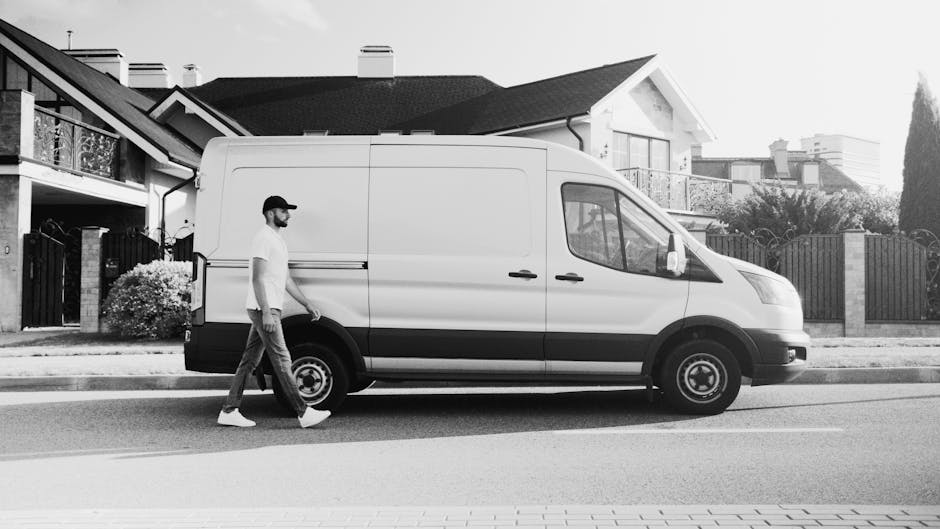
Book a Man with Van for Nags Head businesses today: a practical local guide for fast, flexible commercial moves
If you run a shop, studio, office, market stall, or small workspace in Nags Head, you already know how quickly a "simple move" can turn into a long day. Boxes pile up, access gets awkward, parking disappears, and suddenly the person who was meant to free your time is standing in the wrong road. That is exactly why so many local firms choose to book a man with van for Nags Head businesses today: it gives you a flexible, lower-friction way to move stock, equipment, furniture, or urgent deliveries without overcommitting to a full-scale removal team.
This guide explains what the service actually does, when it makes sense, how to plan it well, and how to avoid the usual headaches. You will also find a comparison table, a checklist, and a few grounded tips from the sort of situations that come up in real life. Let's make it useful, not fluffy.
Why Book a Man with Van for Nags Head businesses today Matters
Nags Head is one of those areas where logistics can be easy for about five minutes, and then suddenly they are not. Busy roads, limited stopping space, tight access, shared entrances, and the general reality of London traffic can all make business transport more complicated than it looks on paper. A man and van service helps bridge the gap between "we can probably do this ourselves" and "we need a full removals operation."
For many businesses, the value is not just transport. It is pace. A good local operator can collect a few items before opening hours, move furniture between branches, help with stock runs, or shift office equipment without disrupting the whole working day. That matters when every hour out of service has a cost.
There is also a trust factor. Many businesses do not need a huge lorry sitting outside for half the day. They need a practical, responsive service that can handle awkward loading, quick turnarounds, and the odd last-minute curveball. Truth be told, that is where a well-organised man with van service often earns its keep.
For broader commercial moves, many businesses pair this kind of service with commercial moves support or a more structured office removals plan when the job grows beyond a single vehicle.
How Book a Man with Van for Nags Head businesses today Works
At its core, the process is straightforward. You explain what needs moving, where it is going, when you want it done, and what access looks like. The provider then works out the right vehicle size, the time required, and whether any extra handling is needed. That might mean a second pair of hands, protective blankets, straps, or a longer van body for awkward items.
Most business bookings follow a similar pattern:
- Initial enquiry: You share the collection and delivery details, item list, timing, and any access issues.
- Quote or estimate: You receive a price based on time, vehicle, distance, labour, and any special requirements.
- Booking confirmation: The slot is reserved, sometimes with notes about parking, stairs, loading bays, or fragile items.
- Collection and loading: The van arrives, items are checked, and everything is loaded with care.
- Transit and delivery: Goods are transported to the destination and unloaded where needed.
- Completion and sign-off: The job is finished, and any final details are checked before the van leaves.
That sounds simple, and often it is. But the difference between a smooth job and a stressful one is usually in the detail. The best bookings are the ones where the moving team knows exactly what they are walking into before they arrive.
If you are comparing service styles, you may also want to look at the broader man and van option or a dedicated removal services package depending on the complexity of the move.
Key Benefits and Practical Advantages
There are a few reasons businesses keep returning to this type of service. Not because it sounds impressive, but because it works. Simple as that.
1. Flexibility for small and medium jobs
A man with van setup is ideal when you do not need a full removals fleet. Think office chairs, filing cabinets, display units, stock deliveries, archive boxes, or a small site transfer. You are paying for the scale you actually need, not a giant vehicle and crew standing idle.
2. Faster response for urgent work
In a busy trading area, urgent happens. A last-minute delivery, a broken workstation, an event setup, or a replacement item that has to arrive before lunch can all create pressure. A local van service is often better suited to short-notice work than a larger, more rigid operation. If timing is tight, a same-day option can be especially useful, and it is worth checking the realities of urgent move same-day removals available in Nags Head before you assume everything can be done at the drop of a hat.
3. Lower disruption to the working day
For many businesses, being out of action is the real cost. A small van can often load quicker, park more easily, and make the whole process less visible to customers or staff. That sounds minor, but if you are running a front-facing business, it matters a lot.
4. Better handling of awkward access
Narrow entrances, stairs, basement storage, tight courtyards, and shared buildings all create friction. A smaller vehicle and experienced mover can sometimes solve access problems that would slow down a larger truck. If your building is tricky, it is worth reading more about stairwell and narrowlift challenges around Nags Head so you know what to flag early.
5. More control over planning
You can often arrange collection windows around opening hours, staff shifts, or customer traffic. In practice, this means less waiting around and fewer awkward "we are almost there" phone calls. You know the type.
Who This Is For and When It Makes Sense
This service is not only for people moving house. In fact, businesses often need it more than they expect. The useful thing about a man with van service is that it sits in the middle of the logistics spectrum: lighter than full removals, more reliable than trying to fit everything into your own vehicle and hoping for the best.
It tends to make sense for:
- independent retailers moving stock or fixtures
- cafes, takeaways, and hospitality businesses shifting equipment
- offices upgrading desks, chairs, or storage
- market traders transporting stalls, containers, or display items
- studio or creative businesses moving props, tools, or materials
- landlords and managing agents dealing with small property clearances
- startups that need occasional transport without a permanent fleet
It is also useful when you are trying to avoid over-ordering a bigger service. For example, if you only have a few bulky items and a handful of boxes, booking a full removal company can be more than you need. On the other hand, if you are moving an entire floor of offices, you may want to compare it with office relocation services or a more complete removal company solution.
And yes, sometimes the decision is simply: "We need help, and we need it this week." Fair enough. That is a perfectly sensible reason to use the service.
Step-by-Step Guidance
If you want the job to run smoothly, the booking process should be planned with a little care. Nothing fancy, just sensible preparation. Here is a practical way to do it.
Step 1: List everything that needs moving
Be specific. Not "some office stuff," but "two desks, eight chairs, six archive boxes, a monitor, and a small cabinet." Specific item lists help with pricing and vehicle planning. They also reduce the chances of something being left behind because everyone assumed someone else would mention it.
Step 2: Check access at both ends
Think about steps, lifts, loading bays, parking restrictions, narrow entrances, and whether the van can stop close enough to the building. If there is a tricky bit, say so early. This is where many jobs go off-course, and it is usually avoidable.
Step 3: Choose the right timing
Business moves work best when traffic, customers, and staff disruption are low. Early morning is often useful. So is a quieter mid-afternoon window if the area allows it. For route planning, a local perspective helps. Some jobs benefit from route knowledge around Seven Sisters Road or nearby streets, and that can save a surprising amount of time.
Step 4: Decide whether packing support is needed
If you have fragile stock, loose cables, IT equipment, or anything that needs labelling, consider whether additional packing help will save time later. A few minutes spent preparing properly can prevent a lot of frustration at the other end. You will notice the difference when you are unpacking and everything is actually where it should be.
Step 5: Confirm price and what is included
Ask what the quote covers. Labour, fuel, waiting time, stairs, congestion, long carries, and packing materials can all affect the final cost. Clear pricing avoids awkward surprises. If you want more context on what can affect the bill, the article on hidden fees when moving in Nags Head is worth a look.
Step 6: Prepare the site before the van arrives
Move loose items out of walkways, reserve parking where possible, and make sure the responsible person is available to answer questions. The smoother the handover, the quicker the job tends to go. A few minutes of prep can feel tiny at the time, but it saves headaches later. Every time.
Expert Tips for Better Results
These are the little things that often separate an okay booking from a good one. None are dramatic. All of them matter.
- Photograph awkward items before collection. It helps everyone agree on size, condition, and handling needs.
- Label destination rooms or zones. If stock or office kit is going to multiple places, clear labels save time on delivery.
- Protect fragile surfaces properly. Glass tops, screens, and polished furniture deserve a bit of care. Nobody enjoys a scratched finish on a Monday morning.
- Keep one person responsible. Too many decision-makers can slow a job down. One point of contact is calmer.
- Ask about disposal or recycling if needed. If the move includes unwanted items, see whether the provider can support responsible removal. A useful starting point is recycling and sustainability.
- Think about timing around deliveries or staff shifts. A van arriving during your busiest hour is rarely ideal. Obvious, perhaps, but it happens more than you would think.
If your move includes packing, sensible wrapping, or unpacking help, you may also want to compare the service with packing and unpacking services. That can be especially helpful when business continuity matters.
Expert summary: For business moves, the best results usually come from clear item lists, realistic timing, and honest access details. A smaller van is not a compromise if it fits the job; it is often the smartest choice.
Common Mistakes to Avoid
Let's face it, most moving problems are not mysterious. They are predictable, and that is actually good news because predictable problems can be prevented.
Underestimating access issues
A job that looks simple on the street can become awkward once you reach the loading point. Low ceilings, tight turns, steps, and poor parking can all slow a move. Always mention access honestly.
Booking too late
If your move is tied to a deadline, do not leave the booking until the last second. Last-minute availability can be limited, especially at busy times. If you need speed, ask early whether a same-day or next-day slot is possible.
Not checking insurance and responsibility
Businesses should know who is responsible for loading, transit, and unloading. If a provider is carrying valuable stock or equipment, it is sensible to ask about their insurance position in plain English, not vague reassurances.
Forgetting building rules
Some premises have loading restrictions, concierge procedures, lift booking rules, or time windows for deliveries. If you ignore these, the van may arrive but the job still cannot start. Annoying, yes. Avoidable, also yes.
Leaving packing until the last moment
Loose cables, unlabelled boxes, and half-dismantled furniture can turn a quick job into a slow one. A little preparation goes a long way. A very long way, honestly.
Tools, Resources and Recommendations
You do not need complicated tools to plan a small commercial move, but a few practical resources will make the process smoother.
- Item inventory sheet: A simple spreadsheet or even a clear handwritten list of items, room locations, and notes.
- Label stickers or marker pens: Useful for destination rooms, fragile items, or stock categories.
- Measuring tape: Handy for checking whether desks, cabinets, or display units will fit through doors and lifts.
- Photo record: Snap items before collection so condition and layout are easier to track.
- Protective wrapping: Bubble wrap, blankets, tape, and covers for sensitive items.
- Route or timing notes: Keep the collection window, parking instructions, and contact names in one place.
For specific move types, the website also has useful supporting pages such as furniture pick up for single-item collections and moving van if you are deciding what size of vehicle suits the job.
And if you are weighing different transport options, the broader removal van and removals van pages can help you think through the practical differences. A lot of this comes down to scale, access, and how hands-on you want the service to be.
Law, Compliance, Standards, or Best Practice
For business moves in London, compliance is usually less about bureaucracy and more about common-sense care. You want the work done safely, responsibly, and without causing avoidable disruption. That means using proper loading methods, respecting parking and access rules, and protecting people, property, and goods.
A few sensible best practices apply:
- Health and safety: Items should be lifted and moved in a way that reduces strain and avoids damage. If something is too heavy, awkward, or unstable, it should be handled properly rather than improvised. A provider's health and safety policy should give you some confidence about how they approach this.
- Insurance awareness: It is wise to understand what cover is in place before expensive equipment is moved. The details matter more than the sales talk.
- Parking and access rules: London streets can be unforgiving if you assume stopping space will just appear. It usually does not. If your job may involve waiting time or loading restrictions, check the plan carefully.
- Data and confidentiality: If boxes contain paperwork, client files, or devices, make sure sensitive items are handled with care. For storage or transit of important business materials, that extra caution is worth it.
- Terms and expectations: Read the service terms so there are no surprises around cancellations, rescheduling, waiting, or scope. The terms and conditions page is the kind of thing people skip right before they wish they had not.
Payment and booking processes also matter. If your team prefers card payments, invoice handling, or secure online checkout, it is sensible to review the provider's payment and security information before you confirm.
Options, Methods, or Comparison Table
Choosing the right transport option is easier when you compare them side by side. Here is a simple breakdown.
| Option | Best for | Strengths | Limitations |
|---|---|---|---|
| Man with van | Small to medium business moves, urgent collections, stock runs | Flexible, practical, quicker to arrange, less disruptive | Not ideal for very large or multi-day moves |
| Removal company | Full office moves, complex relocations, larger loads | More capacity, more labour, broader move management | Can be more than you need for a small job |
| DIY van hire | Very budget-conscious moves where you have staff to help | Direct control, potentially cheaper on paper | Requires driving, loading, planning, and time away from work |
| Specialist relocation service | Business-critical office moves, IT-heavy relocations, larger premises | More structured, more support, better for complex planning | Usually best for bigger budgets and larger projects |
For many Nags Head businesses, the sweet spot is the man with van option. It is the "just enough" solution. Not too much. Not too little. That balance is what makes it so handy.
Case Study or Real-World Example
Here is a realistic example based on the kind of jobs local firms often face.
A small design studio in Nags Head needed to move two workstations, a set of sample boards, six storage boxes, and a small desk from one shared office to another nearby. The team had only a narrow collection window between client meetings, and the destination building had limited parking. A full removals crew would have been overkill, and using their own cars would have meant multiple trips, more lifting, and a very disjointed afternoon.
Instead, they booked a man with van service. They shared photos in advance, confirmed the loading point, and labelled the boxes by destination area. On the day, the job was completed in one run. The desk was protected, the sample boards were kept upright, and the team was back at work faster than expected.
The interesting part was not that the move was dramatic. It was that it was calm. Calm is underrated. When a business is already juggling deadlines, being able to move without turning the whole day upside down is a real advantage.
If that sounds familiar, a local about us page can also help you understand the kind of team and approach behind the service before you book.
Practical Checklist
Use this checklist before you confirm a booking. It is simple, but it catches a lot of avoidable issues.
- Have you listed every item that needs moving?
- Do you know the exact collection and delivery addresses?
- Have you checked parking and access at both ends?
- Are there stairs, lifts, or narrow entrances to mention?
- Have you confirmed the timing window and any building restrictions?
- Do fragile, heavy, or valuable items need special handling?
- Have you asked what the quote includes and excludes?
- Do you need packing, dismantling, or reassembly help?
- Are any old items being disposed of or recycled?
- Is one person responsible for the move on the day?
Small checklist, big payoff. Especially if things are happening quickly and everyone is busy.
Conclusion
For many local firms, booking a man with van is not just a transport decision. It is a practical business choice that saves time, reduces disruption, and keeps the day moving. When the job is planned well, it can handle everything from stock collection to office furniture, from awkward access to same-day urgency, without the overhead of a larger operation.
The real win is clarity. Know what you are moving, how it needs to be handled, and what the site conditions look like. Do that, and the service becomes much more than a van and a driver. It becomes a simple, steady way to keep your business on track.
If you are ready to take the next step, book a man with van for Nags Head businesses today and make the logistics part feel a lot less heavy.
Get a free quote today and see how much you can save.
Frequently Asked Questions
What types of business jobs can a man with van handle?
Most small to medium commercial jobs are suitable, including office furniture, stock runs, equipment transfers, archive boxes, display units, and local deliveries. It is often a good fit when the job is too much for a car but does not justify a full removals team.
Is this service suitable for office moves?
Yes, especially for smaller offices, satellite workspaces, or partial relocations. If the move involves a whole floor, lots of IT equipment, or multiple departments, a larger office relocation service may be more appropriate.
How far in advance should I book?
As early as you can, particularly if the move must happen at a specific time or on a busy day. Short-notice bookings can be possible, but availability is never guaranteed.
Can I book same-day transport for urgent business needs?
Sometimes, yes. Same-day availability depends on schedule, timing, and the size of the job. If the move is urgent, make that clear as early as possible so the provider can advise honestly.
What should I prepare before the van arrives?
Prepare a full item list, clear access routes, label boxes, and confirm parking or loading arrangements. If there are fragile or valuable items, set those aside and flag them in advance.
How do I know whether I need a man with van or a full removals company?
If the job is small, time-sensitive, or straightforward, a man with van is often enough. If the move is larger, more complex, or likely to take all day or more, a full removal company may be the better choice.
Will the driver help with loading and unloading?
Usually, yes, though the exact level of help depends on the service arrangement. Always confirm what labour is included so you know whether you need extra hands on site.
What if my business has difficult access or narrow stairs?
Tell the provider before booking. Difficult access is not unusual in London, and knowing about it early helps the team plan the right vehicle, equipment, and timing.
Is this a good option for market traders or mobile businesses?
Very often, yes. Market traders, pop-up retailers, and mobile operators frequently need flexible transport for stock, stands, and displays. A van service can be ideal for those short, practical jobs.
Can I move fragile or valuable equipment safely?
Yes, provided the provider knows in advance and suitable packing and handling are arranged. If the items are sensitive, ask about protective materials, insurance awareness, and the loading method.
Are there any extra costs I should ask about?
Ask about waiting time, stair carrying, long carries, parking constraints, dismantling, and anything outside the original quote. Clear questions now are much cheaper than surprise add-ons later.
How do I choose a reliable local provider?
Look for clear communication, realistic timeframes, transparent pricing, and sensible safety practices. A reliable provider should be willing to explain how the job will work, not just promise that everything will be fine and leave it there.